How a Pizza Restaurant Can Cater Your Next Event
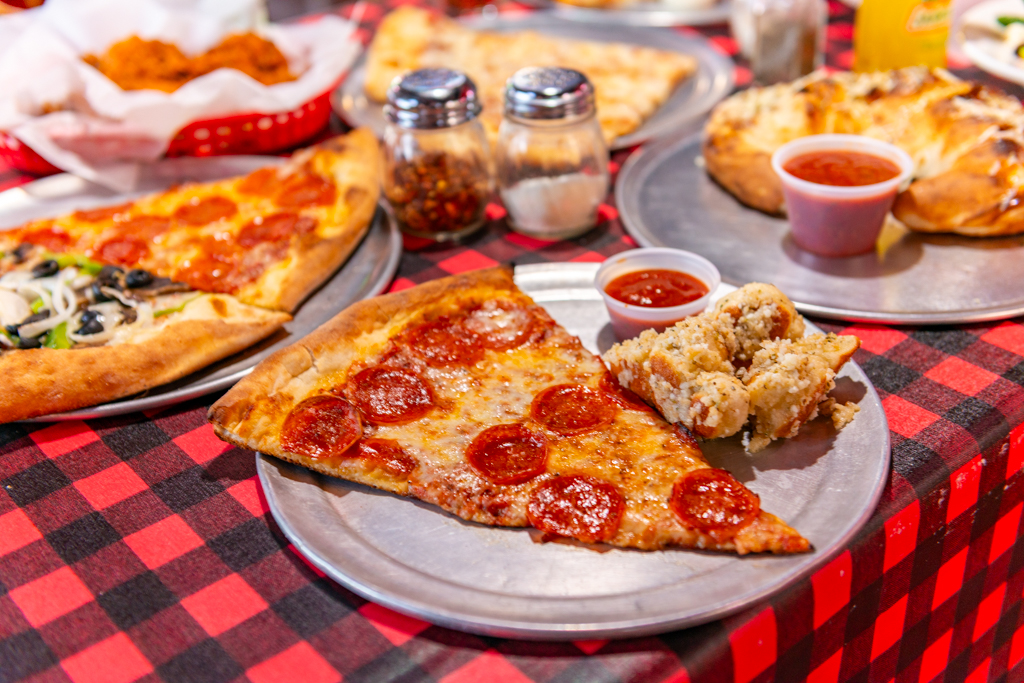
There is a reason pizza keeps showing up at celebrations, office lunches, team banquets, school functions, and late-night wedding after-parties. It is familiar without feeling boring, flexible without becoming fussy, and satisfying in a way that works across age groups. When a host needs food that arrives hot, serves easily, and keeps the mood casual but well cared for, a good pizza restaurant often solves more problems than a traditional caterer.
That matters because event food is rarely just about taste. It affects timing, flow, cleanup, budget, and even how people interact. A plated dinner asks guests to sit still. A buffet creates lines. Passed appetizers can feel elegant, but they can also disappear before the shy guests get a chance. Pizza changes the dynamic. People know what to do with it. They gather, eat, talk, go back for another slice, and the event keeps moving.
A professional pizza restaurant that offers catering is not simply dropping off a few boxes. The best operators think like event partners. They help estimate portions, balance menus, account for dietary needs, and make sure food arrives in a condition that still feels intentional. If you have only thought of pizza as a quick weeknight dinner, you may be underestimating how effective it can be for events of all sizes.
Why pizza works for events better than many hosts expect
The first advantage is speed. Pizza can feed a room quickly, which sounds obvious until you compare it with alternatives. Sandwich platters look easy, but they dry out fast and can feel flat if the event runs long. Buffet lines with hot entrees often bottleneck. Individually packaged meals reduce contact, but they raise costs and generate a mountain of waste. Pizza lands in a practical middle ground. It is shareable, quick to serve, and easy to replenish in waves.
The second advantage is range. A capable pizza restaurant can cover more dietary ground than people assume. Classic cheese and pepperoni still carry the bulk of many orders, but menus now often include vegetable-heavy pies, gluten-conscious options, cauliflower crusts, dairy-free cheese at some locations, salads, wings, pasta trays, and desserts. That breadth allows you to build a meal that feels complete instead of one-note.
The third advantage is atmosphere. Not every event should feel formal. In fact, many are better when the food relaxes the room. I have seen stiff company workshops loosen up once the pizza boxes open. I have also seen family reunions run more smoothly because no one had to coordinate a complicated sit-down meal. Pizza invites a certain ease. People recognize it, trust it, and rarely overthink it.
That said, pizza is not automatically the right fit in every form. The quality of the restaurant, the style of service, and the event format all matter. A delivery order for ten people is one thing. Catering for 120 guests over a two-hour open house is another. The difference comes down to planning.
The events a pizza restaurant handles especially well
Some event categories naturally suit pizza catering. Office lunches are the obvious example, especially when time is limited and the group includes a mix of tastes. Pizza lets people eat quickly, get back to the meeting, and still feel like they were offered something more substantial than snacks.
Birthday parties also benefit, particularly for children and teens, but adults should not overlook it either. For a casual 40th birthday in a backyard, wood-fired pizzas, salads, and a dessert tray can feel more inviting than a generic catering spread. Sports banquets, graduation parties, school events, church gatherings, rehearsal dinners with a relaxed vibe, and community fundraisers all sit in the pizza sweet spot.
Even weddings have a place for it. Not always as the main reception meal, though that can work for the right couple, but often as a late-night offering. Guests who have danced for three hours tend to be thrilled by hot pizza around 10:30 or 11:00 p.m. It is one of the few foods that feels both nostalgic and genuinely useful at that hour.
A pizza restaurant can also be a smart answer for events with moving parts. Open houses, client appreciation events, retail grand openings, and team celebrations often involve people arriving in waves rather than all at once. Pizza handles staggered attendance better than many catered meals because fresh pies can be delivered or fired in rounds.
What catering from a pizza restaurant actually looks like
Many hosts picture catering as a stack of boxes on a folding table. That is sometimes accurate, and for smaller gatherings, it may be exactly what you need. But better pizza restaurants often offer more than that. Some provide full setup with warming equipment. Some bring staff to manage buffet service. Some have mobile ovens for on-site cooking, which changes the experience completely. Guests get the aroma, the theatre of dough stretching, and pizza served moments after baking.
Drop-off catering is usually the most cost-effective option. It works well for team lunches, school meetings, youth events, and informal parties where the host can manage the room. Full-service pizza catering makes sense when guest count is higher, timing is tight, or presentation matters more. On-site pizza ovens are particularly effective for outdoor weddings, neighborhood gatherings, and branded events where food becomes part of the entertainment.
The key is to ask the restaurant how they define catering. Some establishments use the word loosely and mean standard delivery for larger orders. Others have a dedicated catering operation with separate staff, service windows, and event coordination. Those are very different experiences, and you want to know which one you are buying.
Building a menu that feeds people well
Ordering enough food is harder than most hosts expect. Pizza disappears quickly when guests are hungry, but over-ordering can waste money fast. The right amount depends on the event length, time of day, and what else is being served.
For a lunch meeting where pizza is the main meal, a common planning range is two to three slices per person for adults, sometimes more for younger groups or athletes. If you are serving salads, pasta, wings, or appetizers alongside it, the average may fall closer to two slices. Evening events with drinks and a longer social window can be unpredictable. Guests may nibble early and then circle back. Late-night wedding pizza often gets consumed in bursts that surprise people.
Crust style affects the count. Thin crust tends to encourage more slices per person because each slice is lighter. Deep dish or heavily topped pies stretch further. Large, generously cut New York-style slices can satisfy with one or two. This is where a seasoned pizza restaurant earns its keep. The staff usually knows its own product well enough to guide you.
The smartest catered pizza menus combine broad appeal with a few thoughtful variations. Too many custom pies can slow service and create confusion, but too little variety leaves half the room picking toppings off. A balanced order usually includes familiar staples, a meat option, a vegetable-forward choice, and one or two specialty items if the crowd suits it.
Here are the menu questions worth settling before you place the order:
- How many people are eating pizza as a main meal, not just sampling it?
- Will children, teenagers, or very hungry adults make up a large part of the group?
- Are salads, wings, pasta, or desserts part of the spread?
- Do you need vegetarian, gluten-sensitive, or dairy-free options?
- Will guests eat all at once, or arrive in waves over time?
Those five questions do more to improve a catering order than any trend-driven topping choice.
Dietary needs without making the menu feel clinical
One of the quiet strengths of pizza catering is that it can accommodate dietary needs without turning the event meal into a separate project. A vegetarian pie does not feel like a compromise when it is made well. A gluten-sensitive crust, while not suitable for everyone with celiac disease unless prepared in a dedicated environment, can still be a useful option for guests who avoid gluten by preference or mild sensitivity. Dairy-free cheese has improved enough that it no longer signals punishment.
The important part is communication. If the event includes serious allergies, ask direct questions about preparation, cross-contact, and labeling. A responsible pizza restaurant will tell you plainly what it can and cannot guarantee. That kind of honesty is more valuable than a vague promise to "handle it." For some events, especially schools or medical settings, clear labeling on the buffet matters as much as the menu itself.
There is also a social consideration. Guests with restrictions usually appreciate being included in the main meal rather than handed an obviously different substitute from a separate bag. If you can offer one or two thoughtfully chosen alternatives within the same spread, the event feels more welcoming and less segmented.
Cost control, where pizza often shines
For hosts watching every dollar, pizza catering can be one of the most efficient ways to feed a group well. The exact numbers vary by region and by the restaurant’s style, but pizza often delivers a lower per-person cost than plated catering, boxed lunches, or heavy appetizer packages. It is especially economical when the event does not require rental china, servers circulating trays, or individually assembled portions.
Value, however, is not just the menu price. It is also labor, waste, and simplicity. A straightforward catered pizza meal usually needs less setup space, fewer service pieces, and less post-event sorting. That makes a difference for schools, nonprofits, small businesses, and families hosting at home.
The trap is assuming cheapest equals best. A bargain order that arrives late, lukewarm, or undercounted is expensive in the ways that matter. Guests remember the disruption. Staff lose break time. The host scrambles. Paying a bit more for a pizza restaurant with reliable catering systems is often the smarter budget move.
Timing is where good catering lives or dies
Food timing can make or break an event, and pizza is no exception. Because people associate pizza with quick delivery, some hosts underestimate the lead time required for a large catered order. A restaurant may be able to produce forty pies, but that does not mean it can do so with one hour of notice during a Friday dinner rush.
The best practice is to place the order early, confirm details a few days before the event, and make sure the restaurant has an accurate contact number for the person on site. If the event begins at noon, you may not want the entire order arriving exactly at noon if guests need time to gather. Likewise, if the event runs over several hours, staggered delivery may keep the food fresher than one huge drop.
This becomes even more important with outdoor events. Wind, temperature, and table setup all affect how long pizza stays appealing. A shaded service area, warming bags, or timed batches can preserve quality. On very hot days, cold https://troypxpr382.wordcanopy.com/posts/why-a-pizza-restaurant-is-ideal-for-late-night-dining sides and drinks need equal attention. On cold days, a pie that sits exposed for ten minutes can lose its edge quickly.
A short planning conversation with the restaurant usually reveals whether they understand event timing or simply understand delivery routes. There is a meaningful difference.
Presentation matters more than many people think
Pizza does not need to look formal to look professional. That distinction matters. Guests rarely expect silver domes and tuxedoed staff when they are being served pizza. They do expect the meal to feel organized, clean, and intentional.
Simple details do a lot of work. Clearly labeled pies prevent repeated box opening. Serving tables with enough width keep boxes from stacking into chaos. Sides placed in logical order reduce congestion. Extra napkins, plates, parmesan, red pepper flakes, and disposal bins keep guests from wandering around looking for basics. If you are hosting in a business setting, transferring slices to catering trays or using branded risers can make the setup feel polished without stripping away the food’s casual appeal.
Some pizza restaurants handle this naturally because they cater often. Others need prompting. Ask what the setup looks like. Ask whether labels are included. Ask if utensils and serving tools come with side dishes. Small operational details are often what separate a smooth event from one that feels improvised.
When a pizza restaurant is the wrong choice
Professional judgment includes knowing when not to force a format. If you are planning a highly formal gala with assigned seating and a luxury dining expectation, standard pizza delivery is likely not the answer. If your guests require strict allergen controls and the restaurant cannot provide a safe preparation environment, that should end the conversation. If the venue has tight restrictions on outside food, open flames, or delivery windows, you need those answers before you build the menu around pizza.
There are also brand and audience considerations. A law firm client dinner, for example, may call for a different tone than a startup team celebration. That does not mean pizza can never fit, but the style matters. A mobile wood-fired service with artisan salads might feel perfectly appropriate where cardboard boxes on a conference table would not.
The point is not that pizza is universally right. It is that it is often more adaptable than hosts assume, provided the execution matches the event.
Questions to ask before booking a pizza restaurant for catering
A short conversation with the restaurant can save you from most common problems. You do not need an interrogation, but you do need clarity.
- Do you have a dedicated catering process for large orders or events?
- What is your recommended quantity for my guest count and event type?
- Can you accommodate timing in waves if the event lasts more than an hour?
- How do you label specialty pizzas and dietary options?
- What happens if the event headcount changes shortly before service?
If the answers are confident, specific, and practical, that is a good sign. If they are vague or rushed, keep looking.
The hidden benefit, guests actually eat it
One of the most overlooked truths in event planning is that familiar food often performs better than aspirational food. Hosts sometimes order what they think looks impressive, only to discover that half the trays come back untouched. Pizza rarely suffers that fate. Guests eat it. Children eat it. Tired conference attendees eat it. Wedding guests at 11 p.m. Absolutely eat it.
That predictability has real value. It reduces waste, simplifies ordering, and lowers the social friction around mealtime. Nobody needs instructions. Nobody worries about balancing a delicate plate while standing. The food supports the event instead of competing with it.
I have seen this play out at events where the original food plan was far more ambitious. A host spends weeks curating a menu, only to realize on the day that guests want something warm, easy, and recognizable. Pizza may not always be glamorous, but when chosen from the right pizza restaurant and matched to the right event, it is deeply effective.
Making the final call
If you are considering pizza catering, judge the decision by the realities of your event, not by outdated assumptions. Think about how many people you need to feed, how they will move through the space, what your budget allows, and what kind of mood you want to create. Then evaluate restaurants not just on menu photos, but on logistics, communication, and reliability.
A strong pizza restaurant can do far more than send over dinner. It can help you feed a crowd generously, keep the schedule intact, accommodate different preferences, and create an atmosphere that feels easy in the best sense of the word. For many hosts, that combination is exactly what turns a stressful event meal into one less thing to worry about.
RUFFRANO'S HELL'S KITCHEN PIZZA Security
385 Main St, Colorado Springs, CO 80911
(719) 390-4355
FAQ About pizza restaurant
Is there a Hell's Kitchen pizza restaurant in Security-Widefield?
Yes. Ruffrano's Hell's Kitchen Pizza has a Security-Widefield location at 385 Main St.
Where can I find pizza delivery in Security-Widefield?
Ruffrano's Security location offers online ordering. Enter your address at checkout to check delivery availability and fees.
Where can I find gluten-free pizza in Security-Widefield?
Ruffrano's menu lists a 12-inch gluten-free option. Call the Security location to confirm availability and ask about shared equipment if cross-contact is a concern.